
Real physics, explained without distortion
The universe is weird. We’ll explain.
Deep, honest explanations of current physics research — every claim sourced, every number recomputed, and every article tells you exactly how sure science is.
About the background image: Illustration: random events drawn from a bell-curve background, plus a signal injected at 5σ.
Photo: NIRCam Image of the “Cosmic Cliffs” in Carina · NASA, ESA, CSA, and STScI · CC BY 4.0
START WITH THE NAME
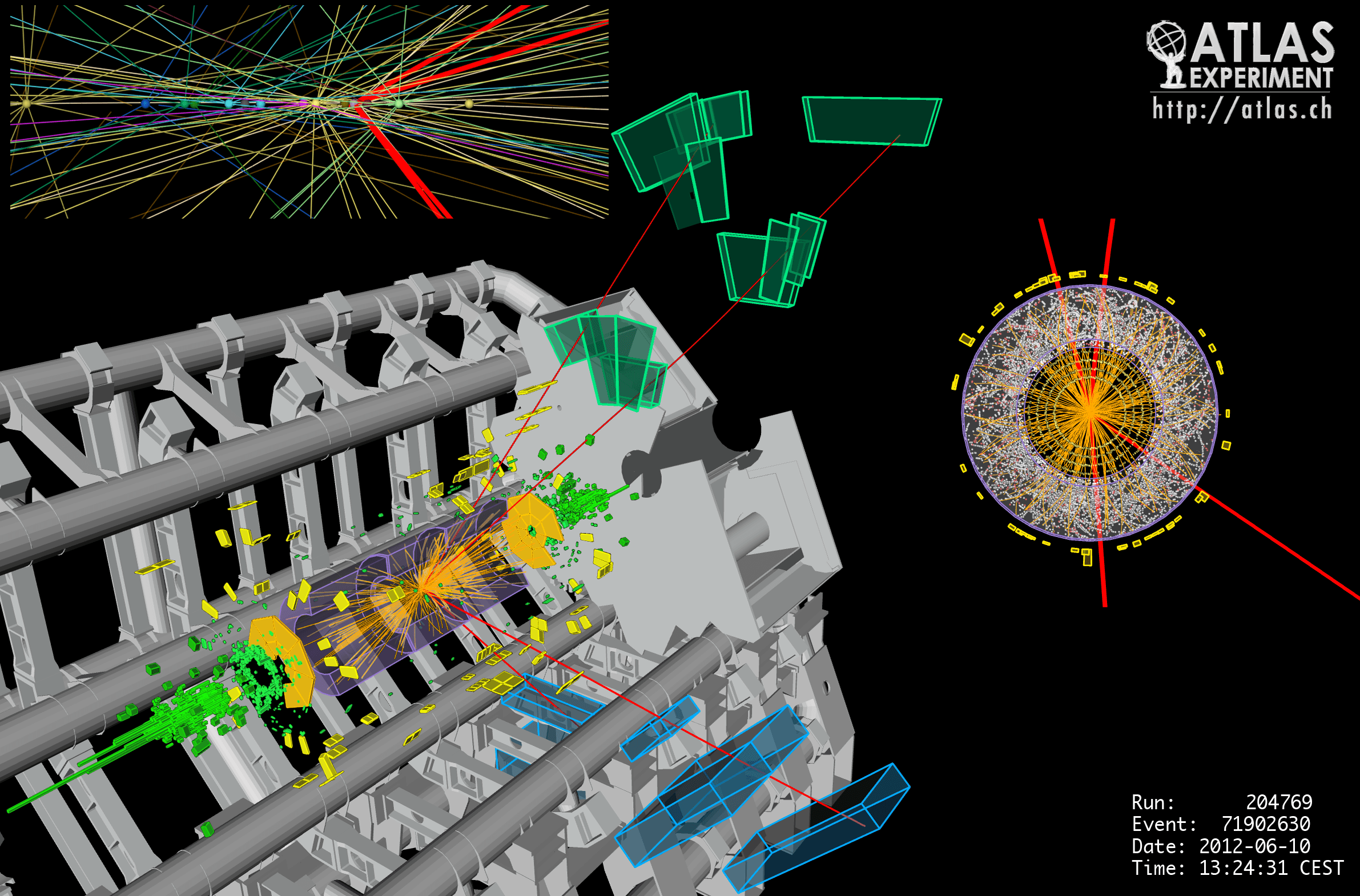
What “five sigma” really means — and what it doesn’t
Particle physicists reserve “discovery” for five sigma: a bump chance alone would make about once in 3.5 million tries. What that measures, why it isn’t “99.99997% sure,” and how five-sigma results still went wrong.
Latest articles
All 11 articles →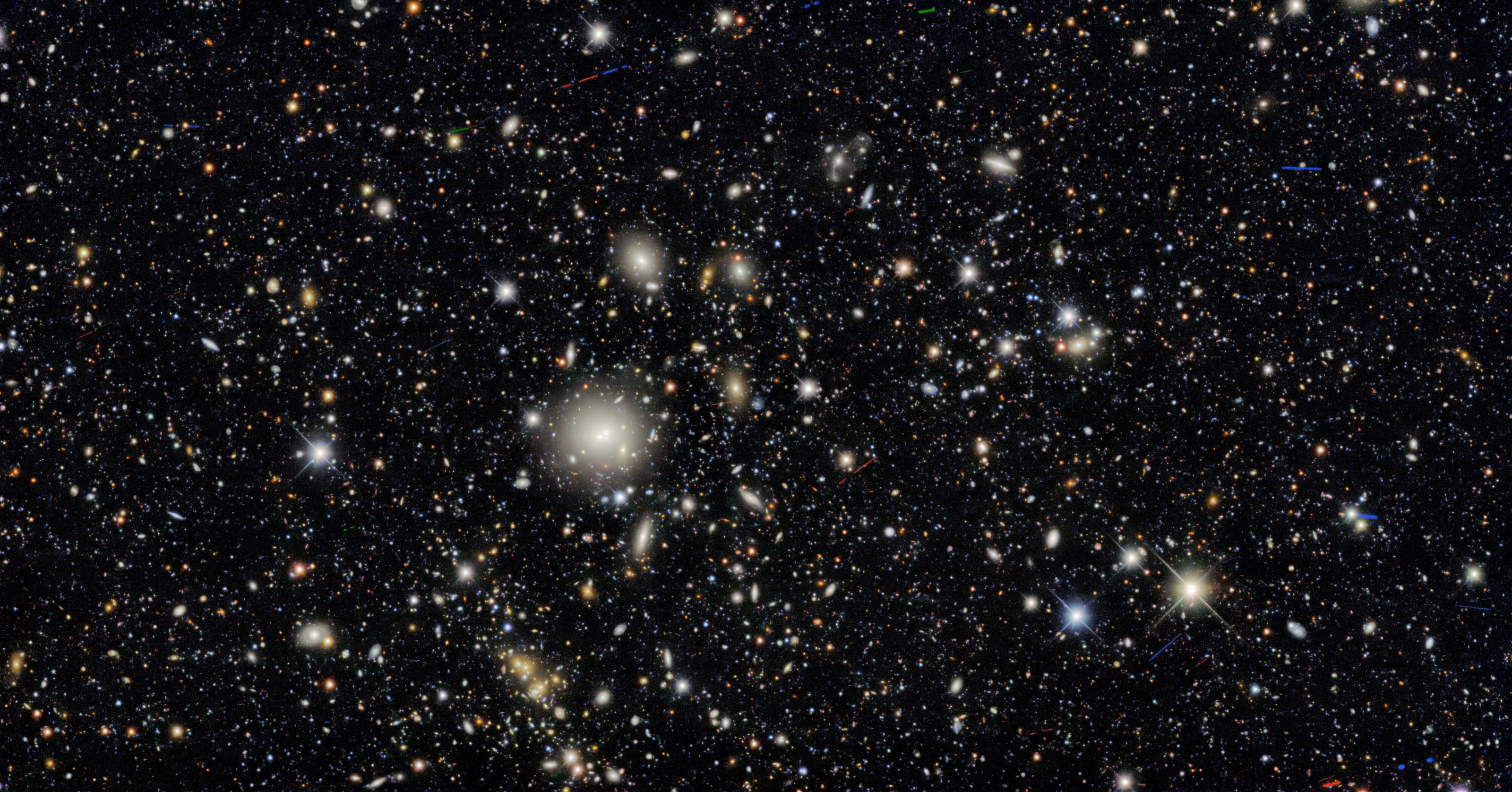
If the universe is infinite, is there another you?
If space goes on forever, a simple counting argument says copies of you are out there. The logic is tidy, but it rests on assumptions that can’t be checked beyond what we can see.
Part 2 of the series “Is the universe infinite?”
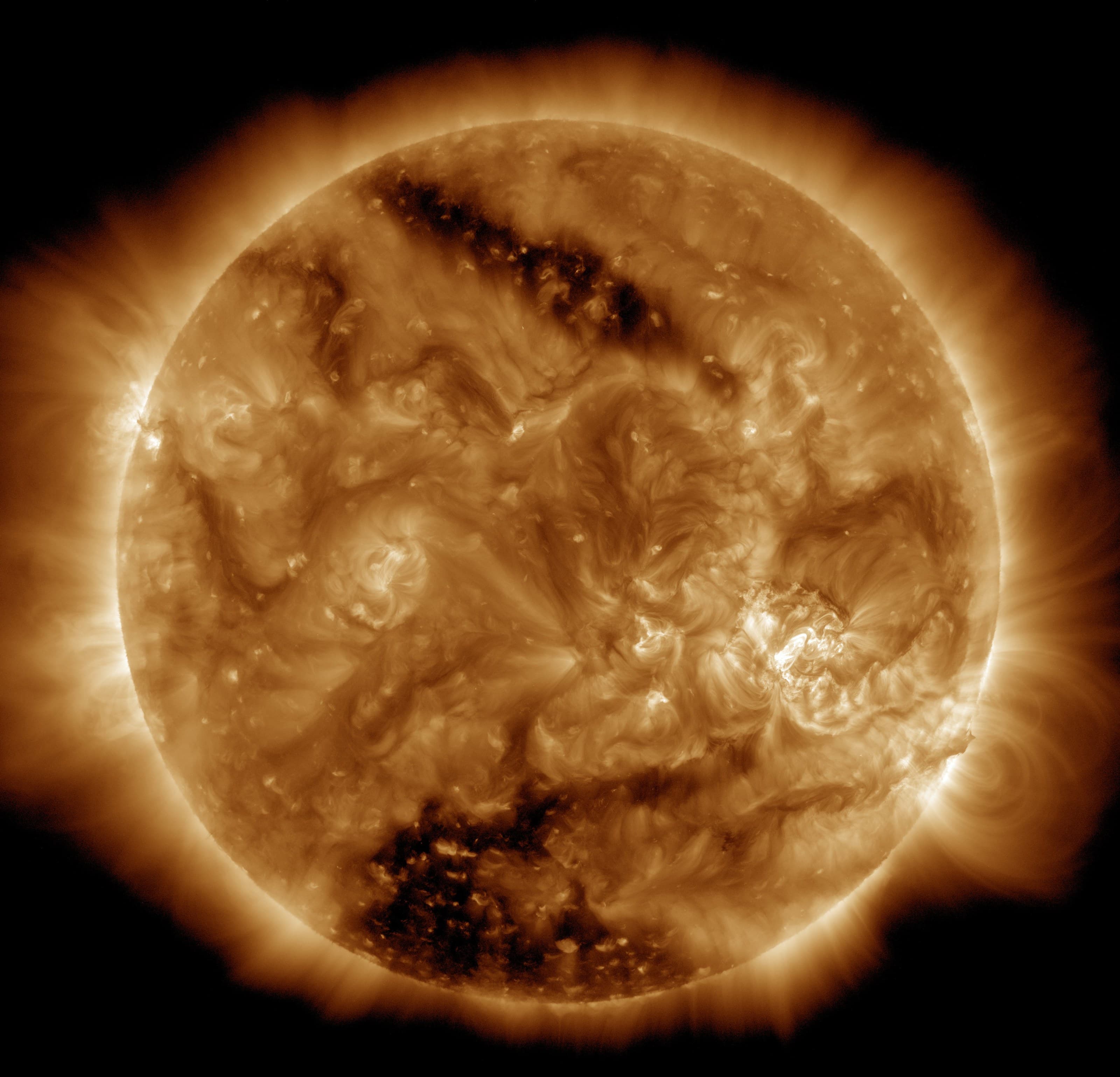
Ghost particles: the neutrinos passing through you right now
Every second, tens of billions of neutrinos from the Sun cross each square centimeter of you, by day and by night. Here is how we know, and why it took a thirty-year puzzle to understand them.
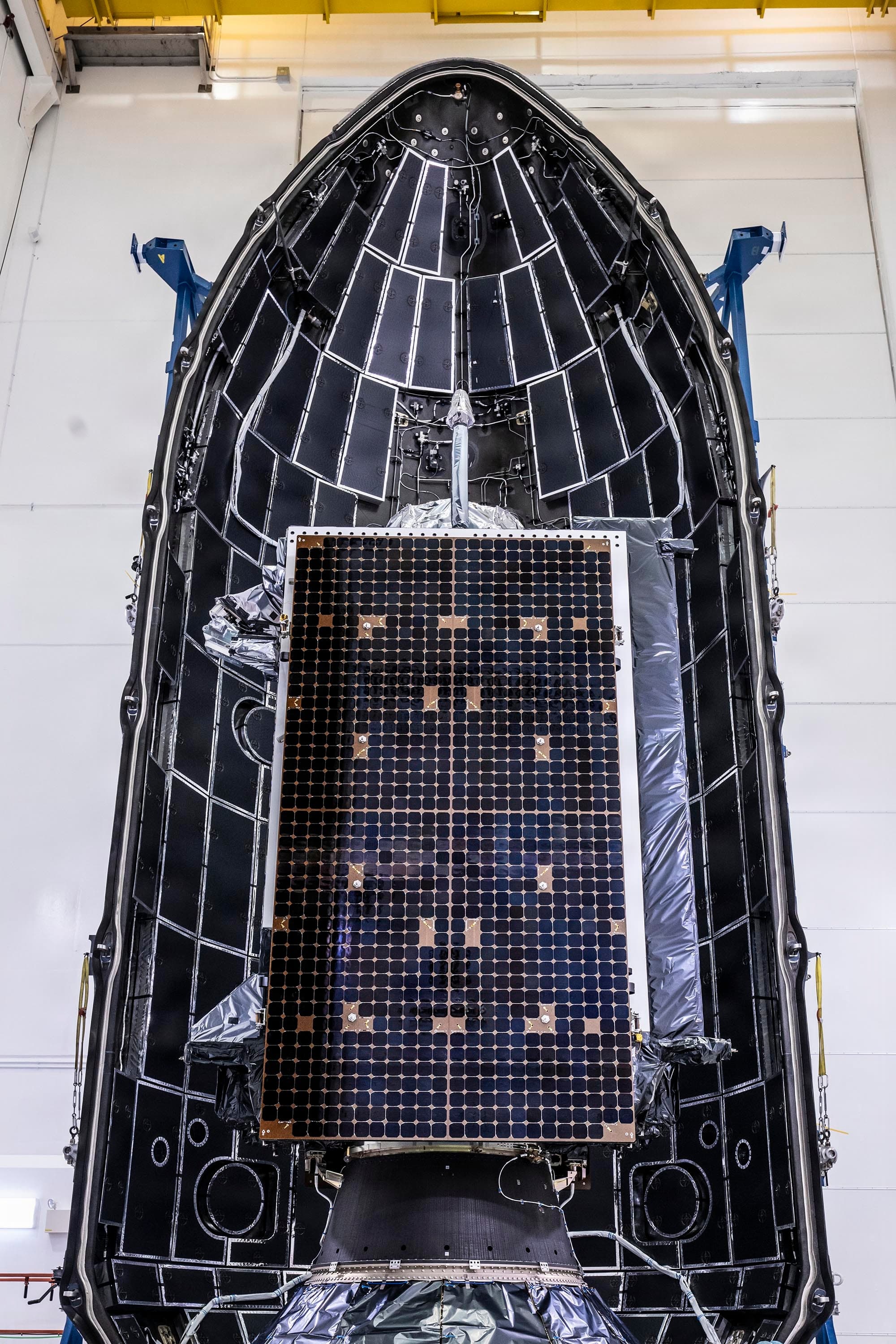
Time runs faster above your head: relativity in GPS
Clocks on GPS satellites would gain about 38.6 microseconds a day on clocks on the ground. Where that number comes from, how engineers deal with it, and what would really go wrong if they didn’t.
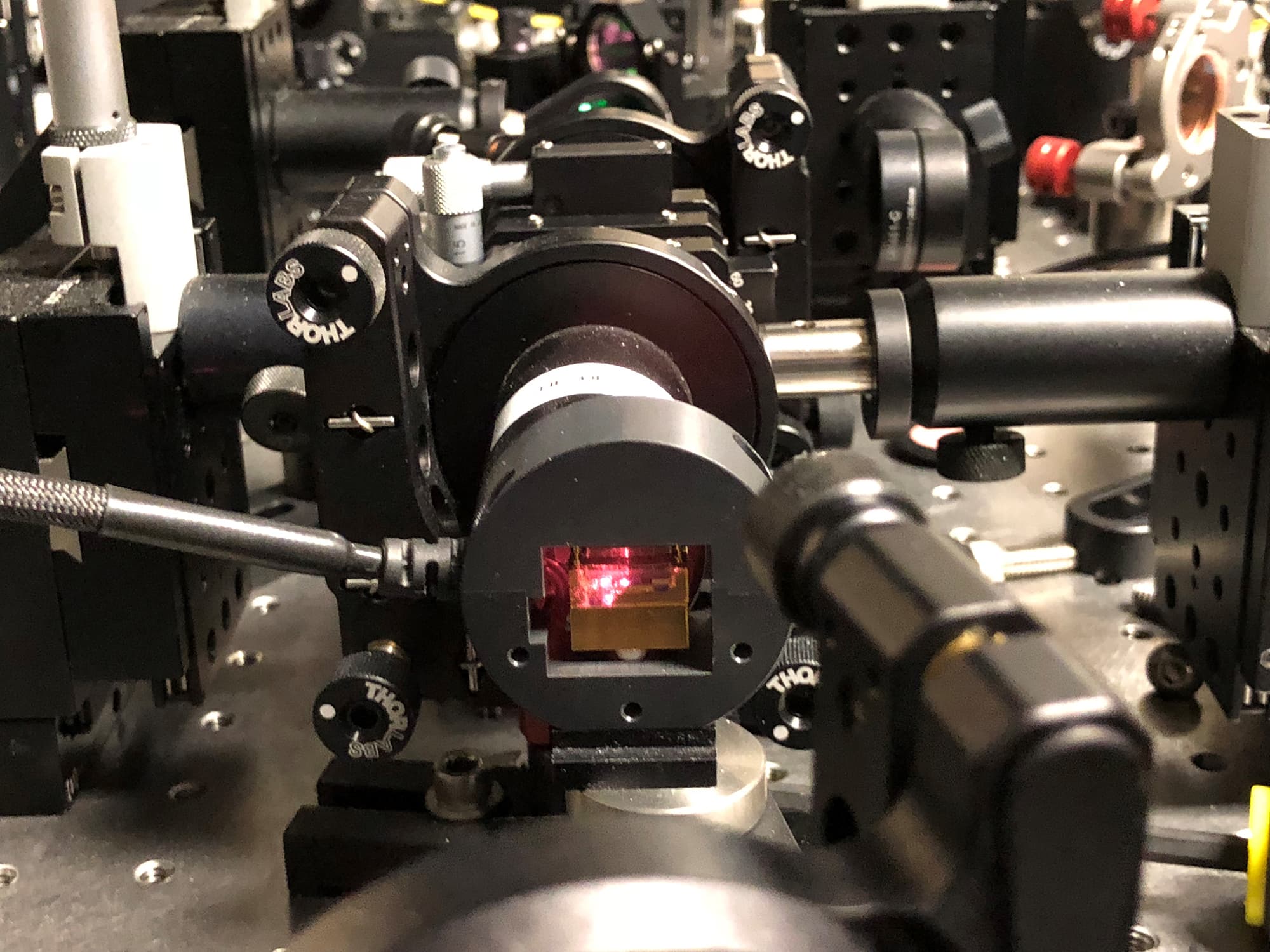
How entanglement is actually made
Shine a violet laser into the right crystal and, very rarely, one photon splits into two; with the right geometry, their polarizations are entangled. Here is the physics, from a lab bench to a satellite.
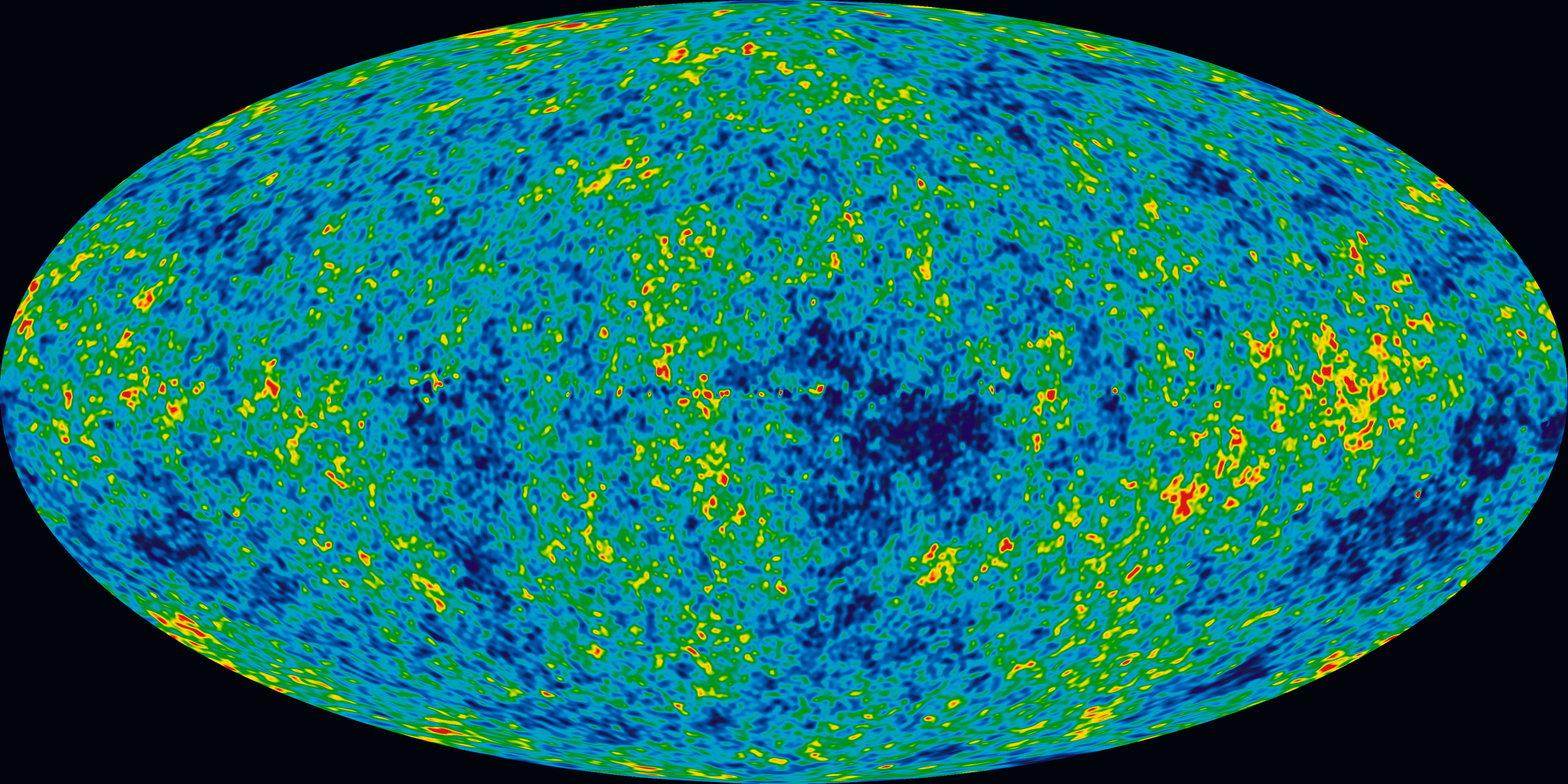
Is the universe infinite?
Space looks almost perfectly flat. That still doesn’t tell us whether it goes on forever, and we may never find out.
Part 1 of the series “Is the universe infinite?”

One wrong unit: how we navigate to Mars, and how we once lost a spacecraft
Reaching Mars means hitting a moving target after months of falling around the Sun. In 1999 a file of thruster data in the wrong unit, and a chain of missed chances to notice it, put a spacecraft 170 km too low.
Our signature
Every article asks: how sure are we?
Science isn’t a list of facts; it’s evidence of different strengths. Each article ends by labelling its main claims, so you always know what is textbook physics and what is still a hint.
How we decide →- Evidence level: Established
Confirmed many times, by different methods. Textbook physics.
- Evidence level: Strong evidence
Well supported and widely accepted, but some details are still being tested.
- Evidence level: Hint / tension
Something doesn’t fit, or an early signal that isn’t confirmed. Could be new physics, a fluke, or an unnoticed error.
- Evidence level: Speculative
An idea or hypothesis with no direct experimental evidence yet.
Explore by topic
All topics →- Statistics of Discovery
How physicists decide that something is real — and how they get fooled.
- Quantum
The rules of the very small — stranger than intuition, and tested to extraordinary precision.
- Relativity
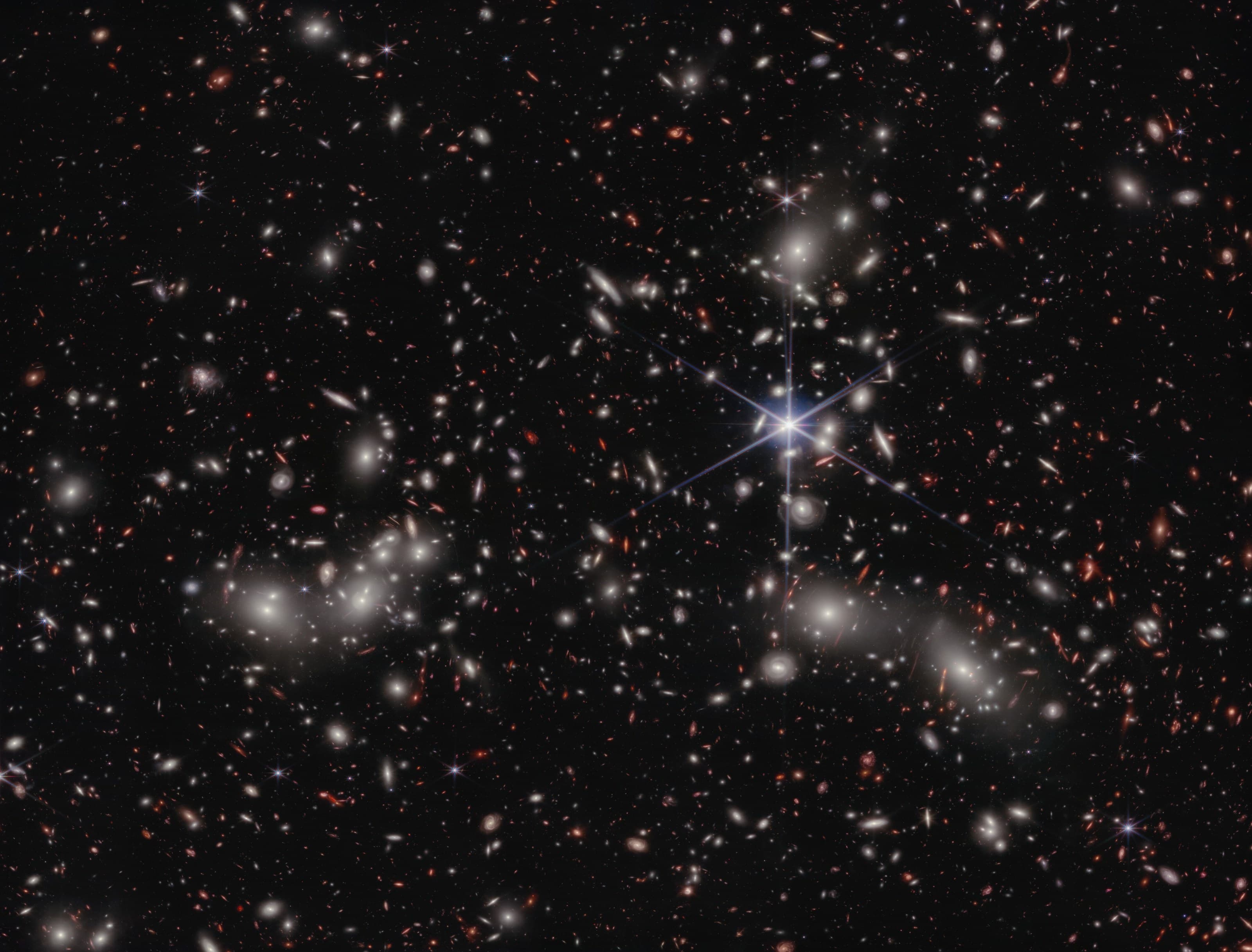
Space and time are not the fixed stage they seem — and your phone depends on it.
- Cosmology
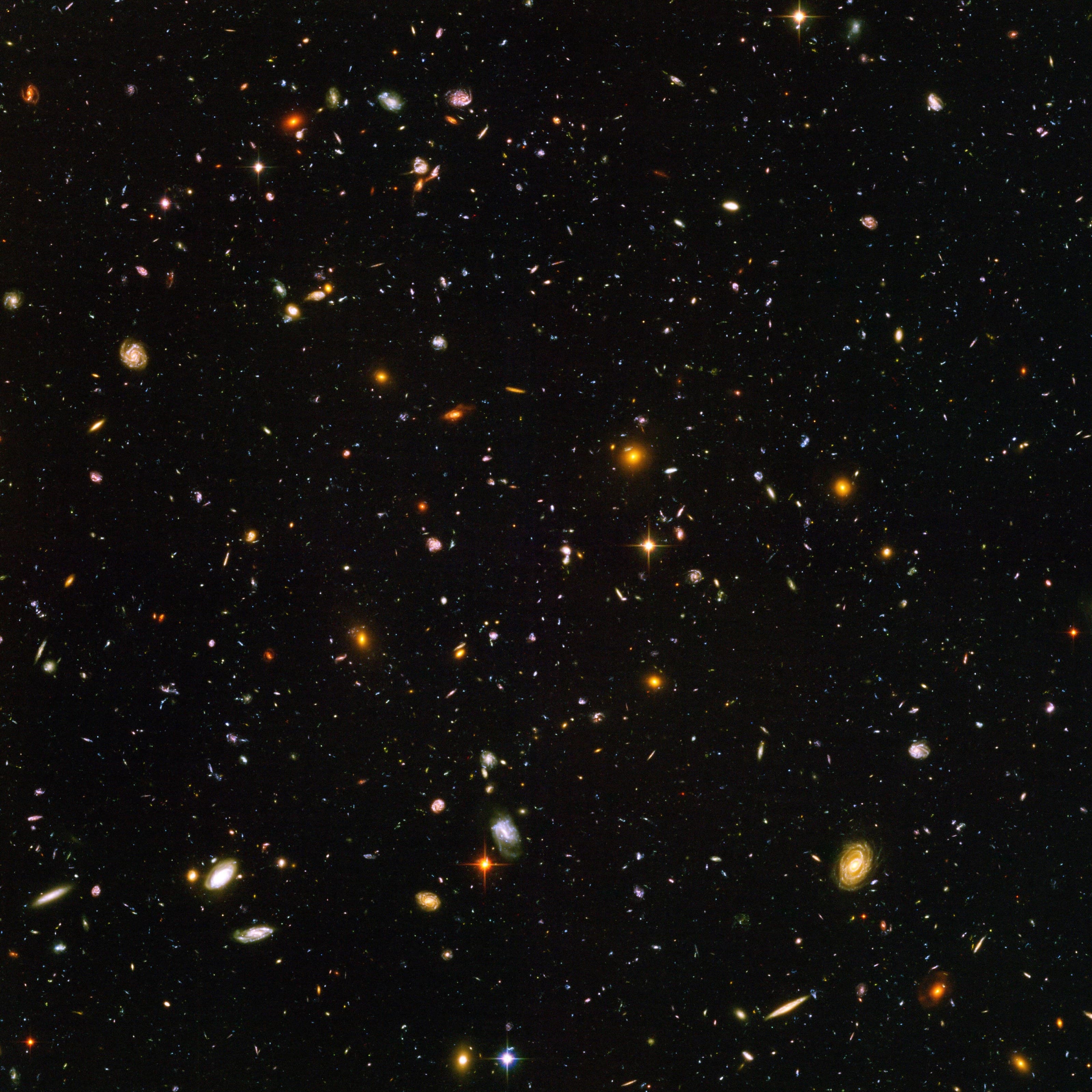
The universe as a whole — how big, how old, and what shape.
- Particles & Neutrinos
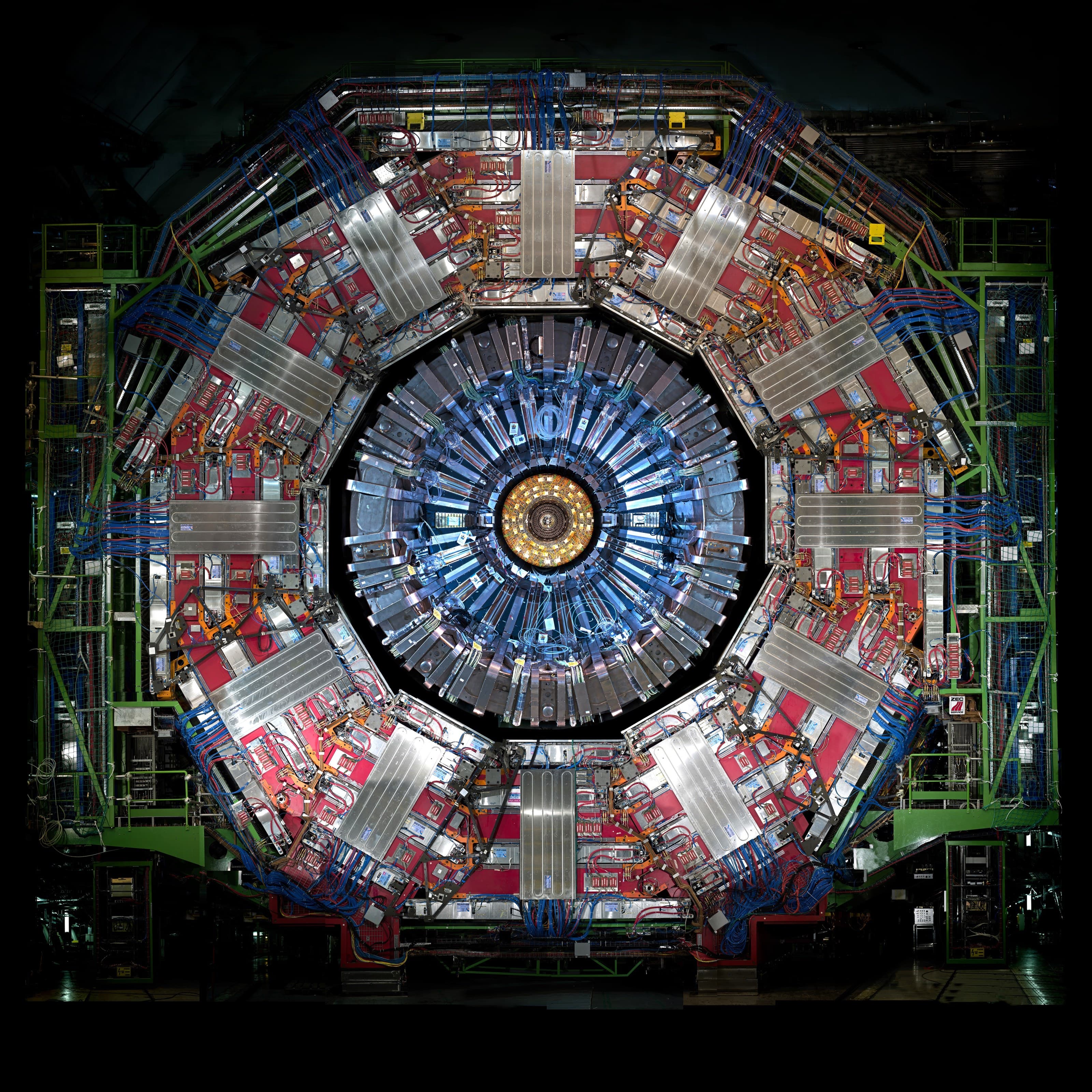
The ghostly particles that pass through everything — and may hold the next big surprise.
- Spaceflight

The physics of getting there — and what happens when the arithmetic goes wrong.
Change a number. Watch the physics respond.
All explorables →Explorable
How far to your twin?
Pick what must match, how finely, and whether space is infinite, and see the order-of-magnitude distance to an exact copy — with every assumption explicit.
Explorable
Build your own discovery
Collect simulated collision data, switch a hidden particle on or off, and watch how local significance, chance bumps and the look-elsewhere effect behave.
Explorable
Neutrinos through you
See how many solar neutrinos pass through a thumbnail, a hand, a phone or your body, and how few of them ever hit anything.
Explorable
How much does your clock drift at this altitude?
Slide a clock from sea level to geostationary orbit and watch gravity speed it up, speed slow it down, and the two cancel for orbits about 3,170 km up.
Explorable
Tilt the crystal, move the cones
Tilt a BBO crystal by a degree or two and watch the two polarized cones of down-converted light separate, touch and cross, computed from real phase matching.
Explorable
Bend space: triangles and the size of the universe
Choose how curved space is and see how a 45-billion-light-year triangle’s angles change, how big a closed universe would be, and whether today’s data allow it.
From the videos
All videos →60-second video → full article
What does “five sigma” mean?
60-second video → full article
Quantum entanglement — what it is (and isn’t)
60-second video → full article
How entanglement is actually made (Part 1)
60-second video → full article
The quantum eraser